How to pack for a move
You are paying for the driver's time, so the packing you do beforehand is the part you control. This is what to wrap, what to take apart, and what has to be done before the van turns up.
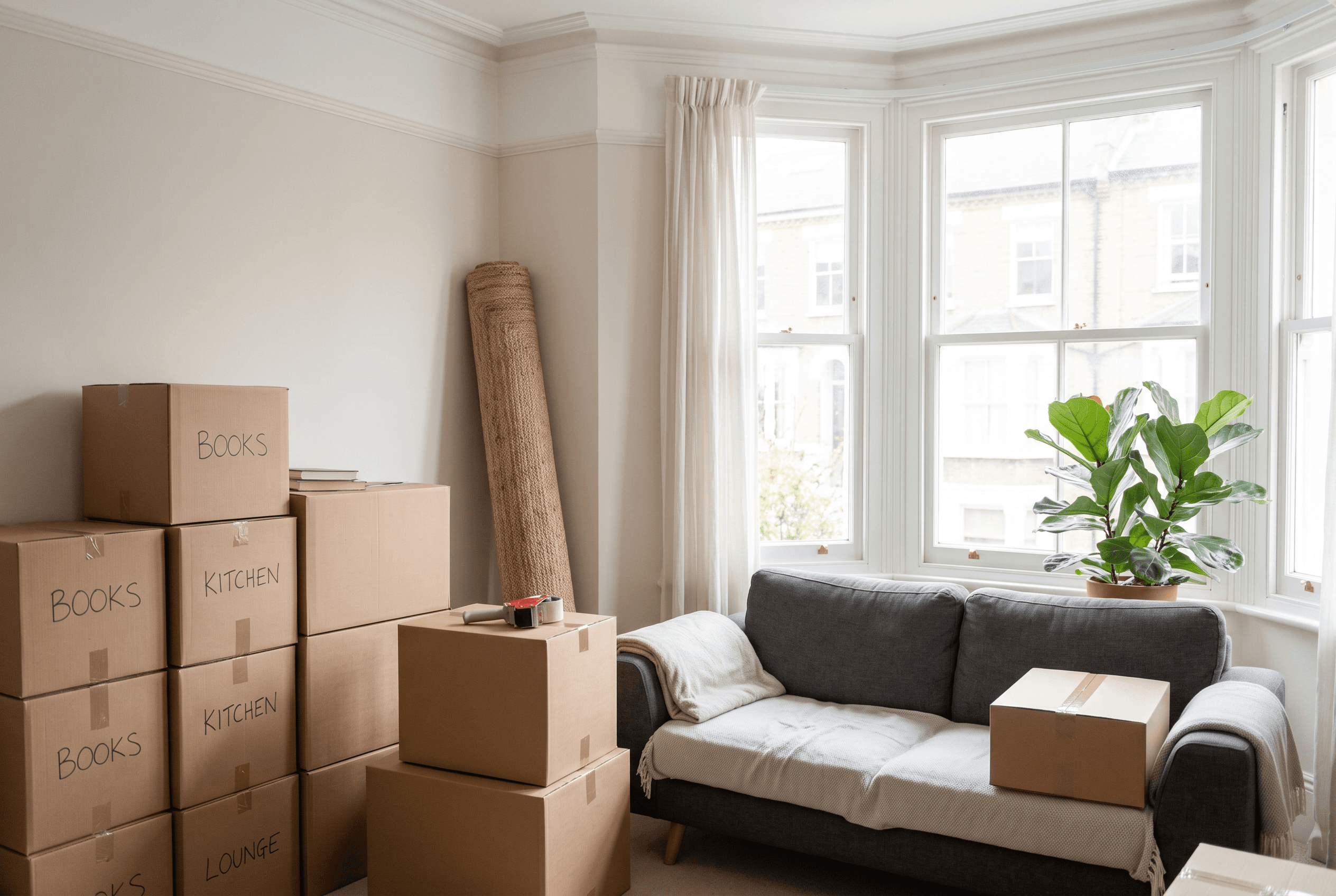
Before the driver arrives
City2City's terms set out a short list of things that need doing before a driver starts loading. None of it is difficult, but a job that stops while a freezer drips onto the hall floor still costs you the time.
- Fragile items wrapped, and the box marked as fragile on the top and at least one side.
- Furniture that is designed to come apart — bolted bed frames, table legs, bunk beds — taken apart before the driver gets there.
- Flat-pack furniture left assembled. Do not take it apart. Chipboard and cam-lock fittings rarely go back together as strongly a second time.
- Fridges and freezers defrosted, drained and dried out.
- Washing machines and dishwashers disconnected and drained.
- American-style fridge freezers declared in advance, not sprung on the driver on the day.
Boxes and labelling
- Small boxes for heavy things — books, tools, tins, records. Big boxes for light bulky things — bedding, cushions, coats, lampshades. A large box of books cannot be lifted safely by anyone.
- Fill every box to the top. Half-empty boxes buckle when they are stacked in a van, and a buckled stack has to be re-loaded.
- Tape the bottom of every box across the seam and again along it. Do not rely on folded flaps.
- Label the top and one side with the room it is going to, not the room it came from. The driver is putting it down, not picking it up.
- Bag anything that can leak — cleaning products, oils, half-used paint — and keep it away from soft furnishings.
- Pack one essentials box last so it comes off first: kettle, mugs, tea, loo roll, phone chargers, medication, a change of clothes, and the tools for rebuilding the bed.
- Keep documents, keys, jewellery, laptops and cash with you. They do not go in the van.
Fragile things
- Wrap each piece on its own. Newsprint marks white china — use plain paper or bubble wrap for anything you care about.
- Plates travel on their edge, like records in a rack, not stacked flat.
- Glasses go upright and get filled with paper, then the gaps between them filled too. Nothing should move when you shake the box gently.
- Mirrors and framed pictures: tape a cross over the glass, wrap them, and pack them on edge between soft items — never flat under other boxes.
- TVs: use the original box if you kept it. If not, wrap the screen, carry it on its edge and never lay it face down.
- Photograph the back of the TV and anything else with a nest of cables before you unplug it.
Furniture: what comes apart and what does not
The rule is simpler than people expect. If it was built to be taken apart, take it apart. If it was flat-pack, leave it alone.
- Bolted bed frames and bunk beds
- Table legs where they unscrew
- Garden furniture and trampolines
- Anything with a bolt you can reach
- Flat-pack wardrobes, units and shelving
- Anything held together with cam locks and dowels
- Sofas with fixed frames — take the feet off instead
- Anything you are not confident you can rebuild
- Bag the screws and tape the bag to the underside of the item it came off. Not in a drawer, not in your pocket.
- Empty drawers of anything heavy or breakable. Light clothing can usually stay if the unit is solid — wrap it shut so nothing slides open in transit.
- Wardrobe boxes save an hour of ironing at the other end if you have a lot of hanging clothes.
- Measure your biggest pieces and then measure the doorways, the stairwell turn and the lift at both ends. A sofa that came in through a bay window has to go out the same way.
Fridges, freezers and washing machines
- Defrost the freezer a full day ahead. Empty the drip tray, dry the inside, and leave the door wedged open overnight so it does not smell.
- Stand fridges and freezers upright in the van where possible. If one has to travel on its back or side, leave it standing for a few hours at the new place before switching it on.
- Washing machine: turn off the water, disconnect the hoses, drain the filter into a bowl, and refit the transit bolts if you still have them. Without the bolts the drum swings about in transit.
- Dishwashers are the same job: water off, hoses off, drained.
- Gas cookers must be disconnected by a Gas Safe registered engineer. Electric cookers should be isolated at the switch, not just unplugged at the socket.
- American-style fridge freezers are heavy and wide. Declare them when you book so the driver brings the right van and enough help.
Room by room, in order
Pack in the order of how little you need things. Done properly, the last few days should feel almost normal.
- Loft, shed, spare room and storage first. Most of what is in them has not been touched in a year.
- Then books, DVDs, ornaments, pictures and anything decorative.
- Then the kitchen, apart from one set of plates, mugs and pans, plus the kettle.
- Then wardrobes and chests of drawers, keeping out a week of clothes.
- Take down curtains and blinds — including the poles and brackets if they are yours.
- Strip beds on the morning of the move and bag the bedding. It doubles as padding.
Stairs, lifts and parking
In London this is usually what makes a move run long, not the packing.
- Sort parking at both ends. If there is nowhere legal to stop outside, ask the council about suspending a bay or a temporary permit — notice periods vary by borough, so ask early rather than the week before.
- Get the floor and the lift right when you book. City2City asks for the floor and whether there is a lift at every address, and both change how long the job takes and what it costs.
- If your block requires it, book the lift with the building manager and check whether there are hours when you are not allowed to load.
- A long carry from the van to the front door is time. If the nearest space is fifty metres down the road, say so up front rather than surprising the driver.
- Move everything you can down to the ground floor or into the hallway before the driver arrives. That single job saves more time than anything else on this page.
If you would rather not pack
Drivers on City2City can pack for you. Add the packing service when you book and the driver brings all the materials — boxes, tape, wrap, the lot. It adds time to the job, so build that into the hours you book rather than hoping it fits.